
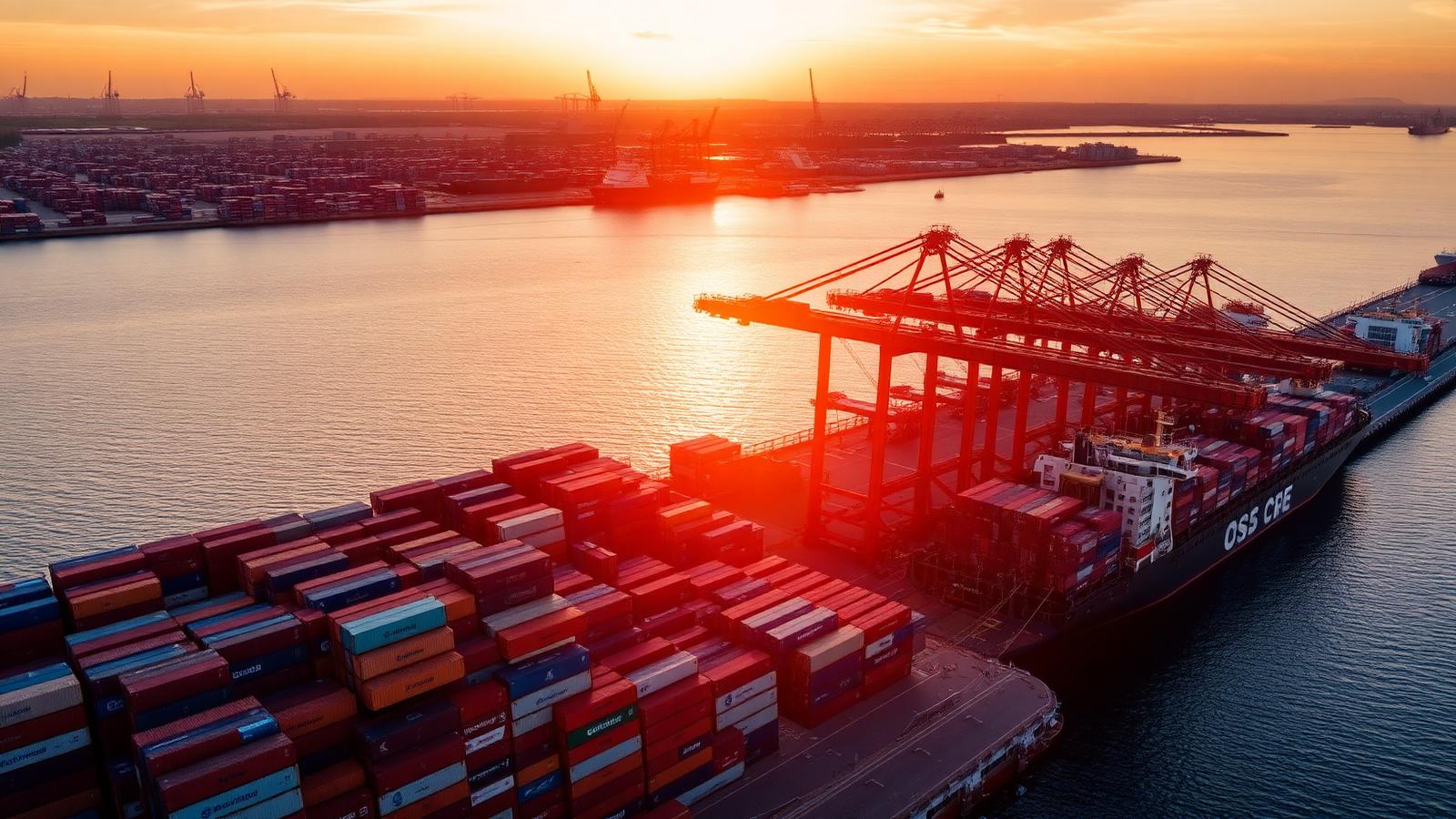
In international food trade, the paperwork is part of the product. A technically perfect container that arrives with incomplete documents is still a problem shipment. This is the core document set most honey export transactions involve.
Commercial documents
The commercial invoice and packing list define what was sold and what was physically packed — quantities, batch codes, drum counts, gross and net weights. Consistency between these documents and the physical cargo is what customs and consignees check first.
Analytical and origin documents
The Certificate of Analysis reports the agreed parameters for the shipped lot, while the Certificate of Origin supports tariff treatment and market access. Depending on the destination, health certificates or export-inspection documents issued by the relevant authorities may also apply.
Transport and market-specific documents
The bill of lading ties the transaction to the physical container, and destination markets may require additional declarations — from Halal documentation to buyer-specific quality attestations. The applicable set should be confirmed during contracting, not discovered at the port.
The habit that separates professional exporters is document discipline: templates agreed with the buyer in advance, drafts shared for review before shipment, and one person accountable for the final set. It is unglamorous work that keeps containers moving.