Choosing a bulk honey supplier is a compliance decision as much as a commercial one. The right questions asked early prevent rejected consignments, failed audits and expensive disputes later. This checklist reflects what experienced procurement teams typically verify before contracting.
Start with the testing plan, not the price
Ask which parameters are tested, at what stage, and by whom. A serious supplier will distinguish clearly between routine internal checks and external accredited testing, and will be comfortable aligning the analytical scope to your destination market's requirements rather than quoting a generic certificate.
Understand lot identity and traceability
Request a walkthrough of how an incoming lot is identified, how batches are coded during processing, and how a shipped drum can be traced back to its source region. If the answer is vague, the paperwork downstream will be too.
Review documentation capability
Beyond the Certificate of Analysis, international shipments involve commercial invoices, packing lists, certificates of origin and health or inspection documents depending on the destination. Ask for a sample documentation set from a comparable trade lane to judge completeness and accuracy.
Inspect packing and loading discipline
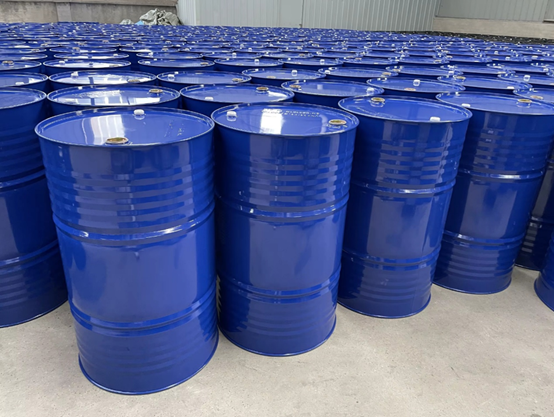
Food-grade drums, correct filling weights, clean palletisation and supervised container stuffing all protect product integrity in transit. Loading photographs and seal records should be routine, not a special request.
Finally, evaluate responsiveness. Bulk honey programs run for years, and a supplier's communication quality during the enquiry stage is usually an accurate preview of the relationship. A structured RFQ with your specification, volume and destination is the fastest way to see how a supplier actually works.